
Kathryn Beals is a self-taught Canadian artist and former forester from British Columbia.
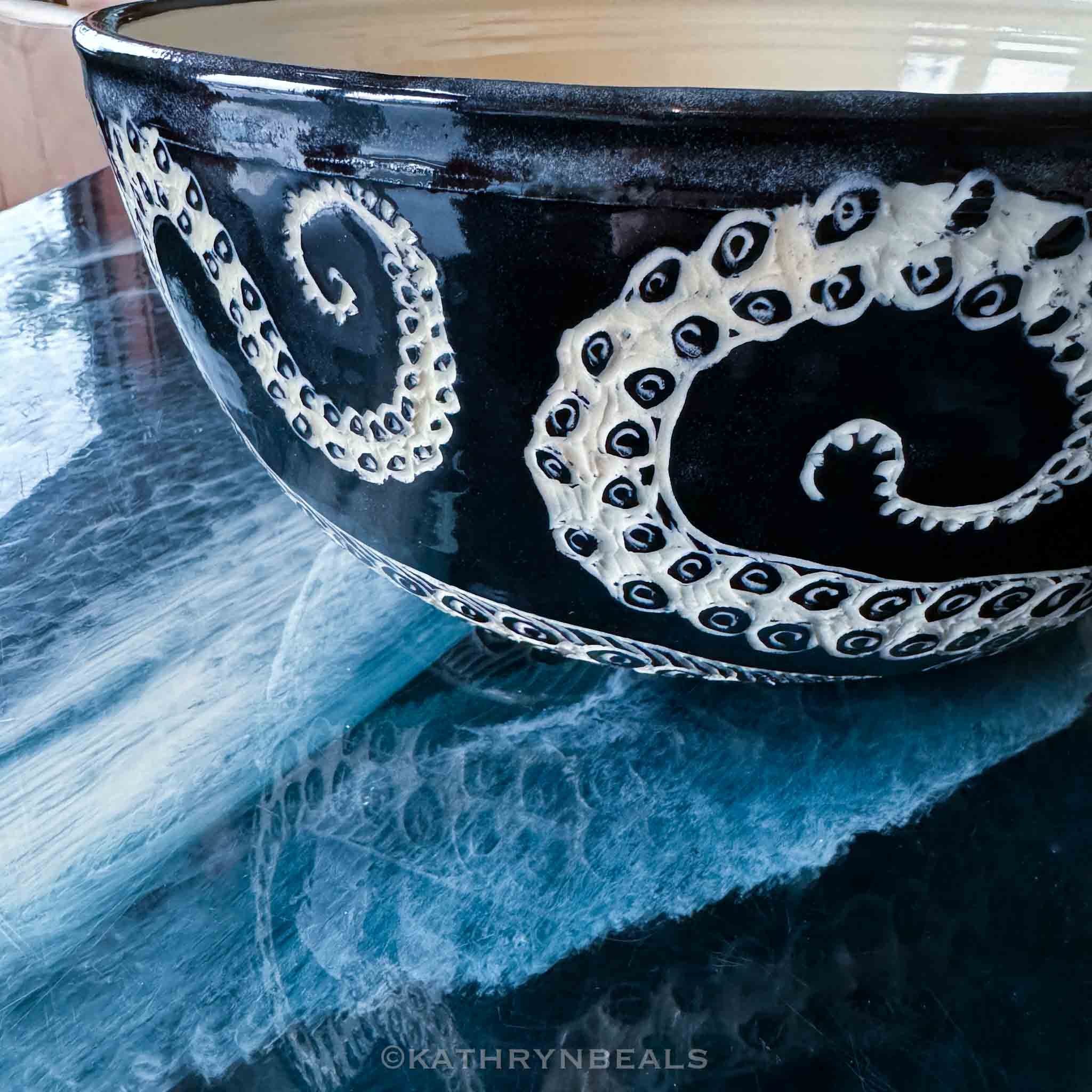
4.12.2024 The first pottery pieces will be released to the collectors’ list on April 28, 2024. New mini moon glow paintings have been added to the Fluid Landscapes gallery.
4.8.2024 The Forest Floor series will be part of the Mother|Nature show at the Hearth Gallery starting April 24, 2024.



Kathryn’s original medium, traditional landscapes in acrylic on canvas. Choose from prints or originals.
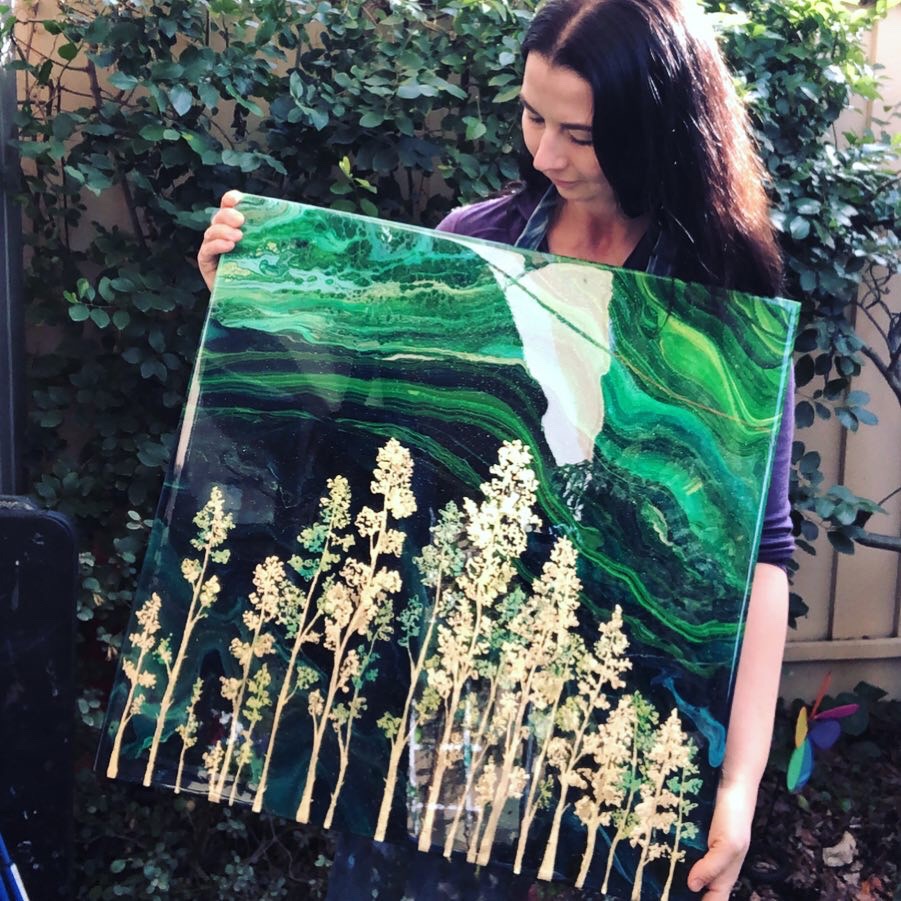
Abstracts and landscapes combine in mixed media pieces using fluid paints, resin and metallic leaf.

Learn more about Kathryn and the inspiration behind her work.

Read about the style Kathryn created while in cancer treatment for helping nonprofits. She has raised over $50K for conservation since then.

One of a kind paintings on functional trays and boxes, finished with food safe resin and metallic leaf details.

From stones to aerial photos to galaxies, fluid abstracts all look like something in nature.

Kathryn’s annual Earth Day series, made from recycled paint drips and items from the studio, benefits a different cause each year.
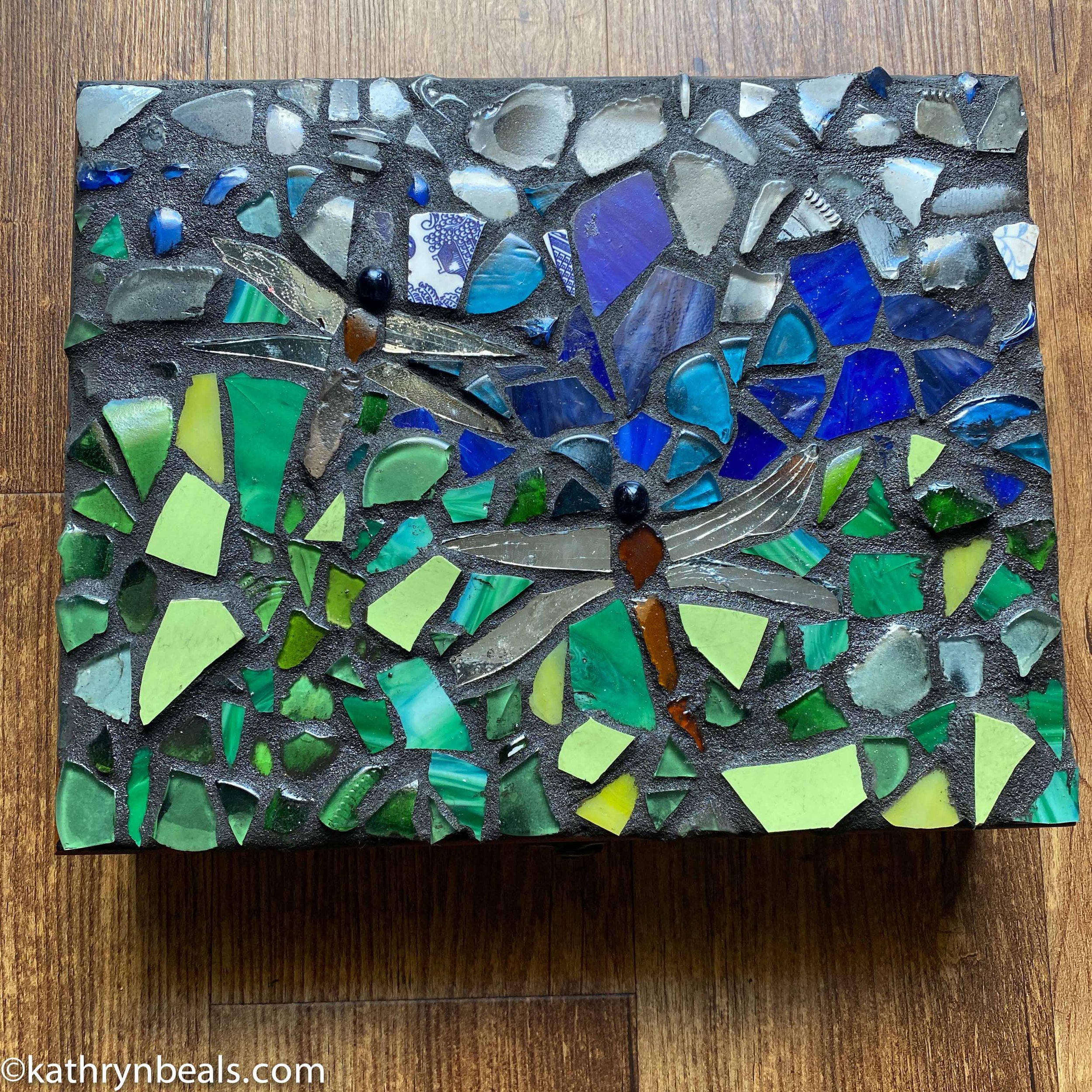
Things We Found In The Creek, Kathryn’s early pandemic series benefiting urban green spaces.

Pyrography and sustainable homewares featuring handmade designs.
Collaborations with other Canadian artists
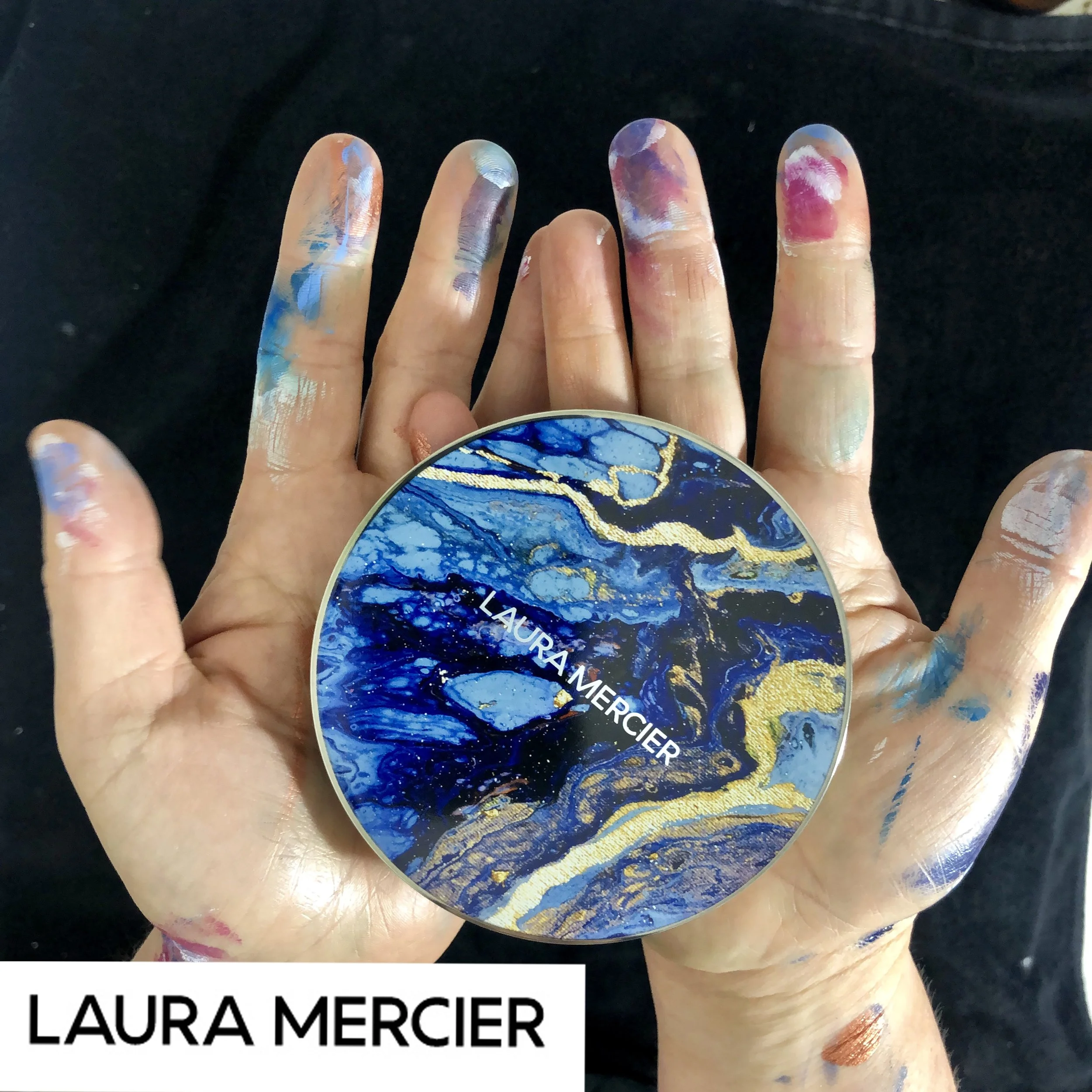
Read about Kathryn’s collaborations and features on Buzzfeed and Insider.
To learn more about image licensing and submit a request, visit the Licensing page.